In 2004, Villarreal CF found itself at a crossroads. After a successful promotion to La Liga in 1998 and several stable seasons, the club needed a change to take the next step. The arrival of Manuel Pellegrini at the helm was the catalyst for this transformation. Pellegrini, known for his sophisticated tactical approach and ability to maximize his players' potential, implemented a playing style that prioritized not only defensive solidity but also encouraged dynamic and fluid attacking play.
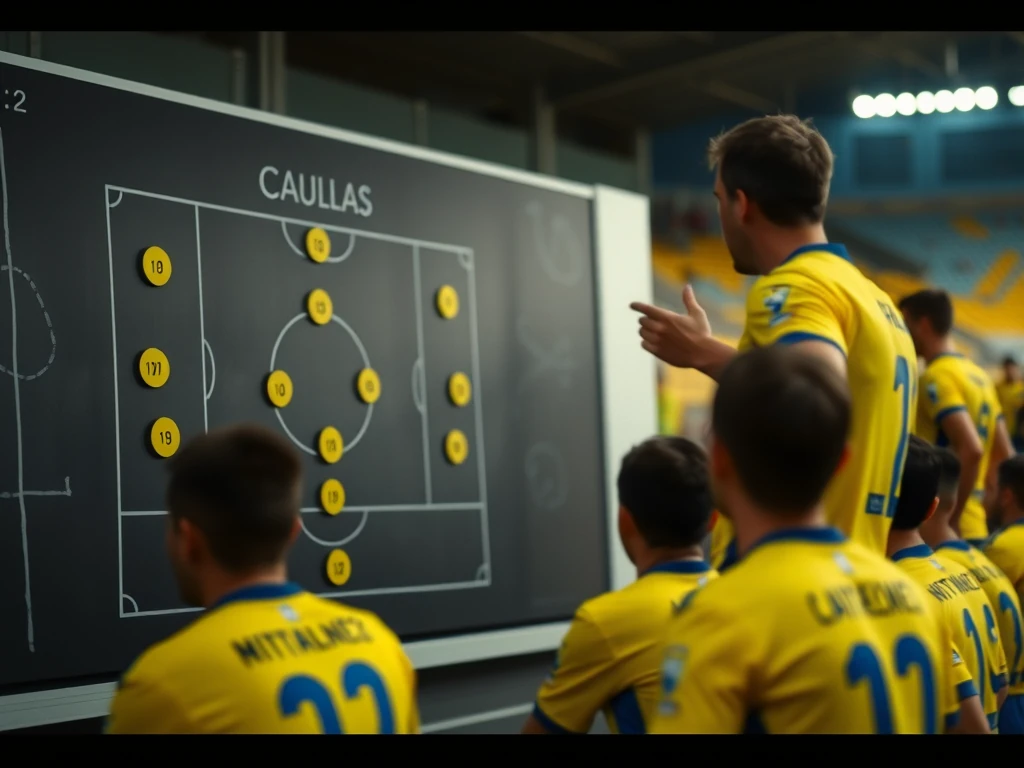
The key to this tactical revolution was the 4-4-2 formation, which allowed the team to balance defense and attack. With a solid backline led by players like Quique Álvarez and Gonzalo, and two creative midfielders such as Juan Pablo Sorín and Andrés Iniesta, Villarreal began to play attractive and effective football. This formation enabled the full-backs to join the attack, creating numerical superiority on the wings and generating numerous goal-scoring opportunities.
One of the standout moments of that season was the inclusion of young, talented players who also contributed to the new playing philosophy. The team benefited enormously from the freshness and energy these youngsters brought, and the chemistry in the locker room was palpable. El Submarino Amarillo not only made an impact in the league but also began to make waves in the UEFA Cup, where they reached the semifinals, an unprecedented feat for the club at that time.
Pellegrini's tactical revolution was not merely about a lineup; it was a change of mentality that permeated the entire club. Players felt empowered to express their creativity on the pitch, and the fans began to dream big. The 2004-2005 season became a milestone that marked the beginning of a golden era for Villarreal, laying the groundwork for the future.
Years later, Pellegrini's legacy and tactical approach remain alive in the club, serving as inspiration for future generations of players and coaches. Villarreal CF, affectionately known as El Submarino Amarillo, not only consolidated itself as a contender in Spanish football but also projected itself on the European stage, thanks to the vision and strategy of a man who understood that football is both an art and a science.